Evidence-led public answers

Alarms, common faults and safe troubleshooting

High-intent support questions answered without unsafe repair instructions or bypassing alarms, interlocks or trained-service requirements.

Safe-use rule

Do not use this page to diagnose a patient, change a device setting or bypass an alarm. Use the exact-model instructions and escalate clinical or technical decisions to qualified personnel.

What should staff do first when a ventilator, anesthesia machine or infusion pump alarms?

Follow the clinical emergency protocol: assess the patient first, ensure an appropriate backup method is available, read the exact alarm and use only the checks permitted by the instructions for use. Do not silence, bypass or repair a safety alarm without resolving its cause; involve biomedical engineering or authorized service.
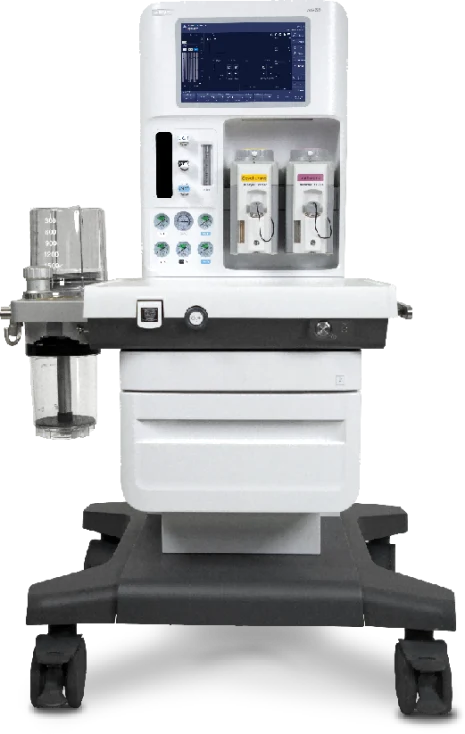
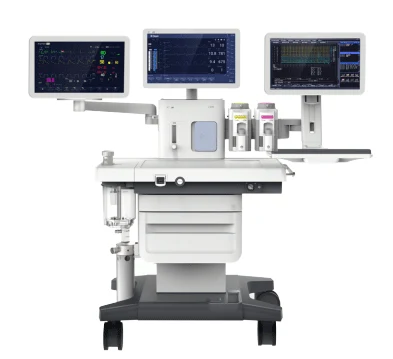
What can cause a high airway-pressure alarm?

Possible causes include a patient or airway change, a kinked or obstructed circuit, secretion, filter or humidifier resistance, coughing or an unsuitable setting. A trained clinician must assess the patient and circuit; do not change prescribed settings or dismantle the device based on web guidance.

What can cause a low-pressure, low-volume or excessive-leak alarm?

Common checks include disconnected, loose, damaged or incorrectly assembled circuits and interfaces, an open port or significant mask leak. Patient safety comes first; trained staff should use the exact-model instructions and remove damaged accessories from use.

What should be checked after a low oxygen-source or gas-supply alarm?

A qualified team should confirm the central supply or cylinder, connector type, hose connection and permitted inlet-pressure range while maintaining a safe backup. Do not substitute gases, adapt connectors or bypass supply alarms; escalate facility or device faults immediately.

What if a device will not power on or the battery runs down too quickly?

Confirm the approved mains source, cable, adapter, battery-charge status and environmental limits described for the model. If operation is unreliable, move to the approved backup and quarantine the device for biomedical or authorized-service inspection; do not open the power system.

Why is a CPAP or bilevel mask leaking, noisy or uncomfortable?

The mask may be the wrong type or size, incorrectly positioned, worn, over-tightened or connected to incompatible parts. Refit it according to the sizing and user guide, inspect replaceable parts and contact the provider if the prescribed therapy remains uncomfortable or ineffective.

What can be done about dryness or water condensation during PAP therapy?

Check correct humidifier assembly, approved water and cleaning instructions, room conditions and permitted comfort settings in the user guide. Do not change therapeutic pressure. Persistent dryness, congestion or condensation affecting therapy should be reviewed with the provider or clinician.

What should staff do with an occlusion or air-in-line infusion alarm?

Assess the patient and line, stop or continue therapy only according to clinical protocol, then check the compatible set, clamps, kinks, container, catheter pathway and loading method allowed by the IFU. Never bypass air detection or pressure limits; escalate persistent alarms.

Why is a mesh nebulizer producing little or no mist?

Possible causes include incorrect assembly, low power, an empty or unsuitable medication cup, residue or damage to the mesh. Follow the exact cleaning and operating instructions and use only compatible prescribed medication; do not pierce or scrape the mesh.

What if condensation collects in a ventilator circuit or humidifier?

Condensation can affect resistance, sensors and infection-control handling. Trained staff should follow the humidifier and circuit IFU for temperature, water management and drainage, protect the patient from condensate and never drain toward the patient or device electronics.

What information should be sent with a technical support request?

Send model, serial number, country, installation site, software version if visible, exact alarm text or code, time and conditions, approved accessories in use, photos that contain no patient data, and the checks already completed under the IFU. Do not send passwords or patient-identifying information.

Related products

Move from the question to the relevant model.

View all products

Sources & review

What supports these answers?

Sources establish product identity and general regulatory context. Final certificates, prices, stock and warranties remain model- and transaction-specific and require human confirmation.

Content last reviewed: 2026-08-03.

Need a model- or market-specific answer?

Send the model, country, quantity and required document or issue. Do not send patient data or passwords.

EmailWhatsApp